Heroshu: a child's own hero, a story starring them, built in four weeks
Heroshu turns a child into the hero of their own animated, narrated story, and gives them a 3D printed figure of themselves to play it with. Press the figure on an iPad and the screen knows exactly which hero it is, says their name and starts their story. Then the figure becomes the controller. We built the whole thing, from the recognition engine to fifteen illustrated stories, in four weeks: first commit on 29 September, launch on 28 October. The GitHub history is the receipt.
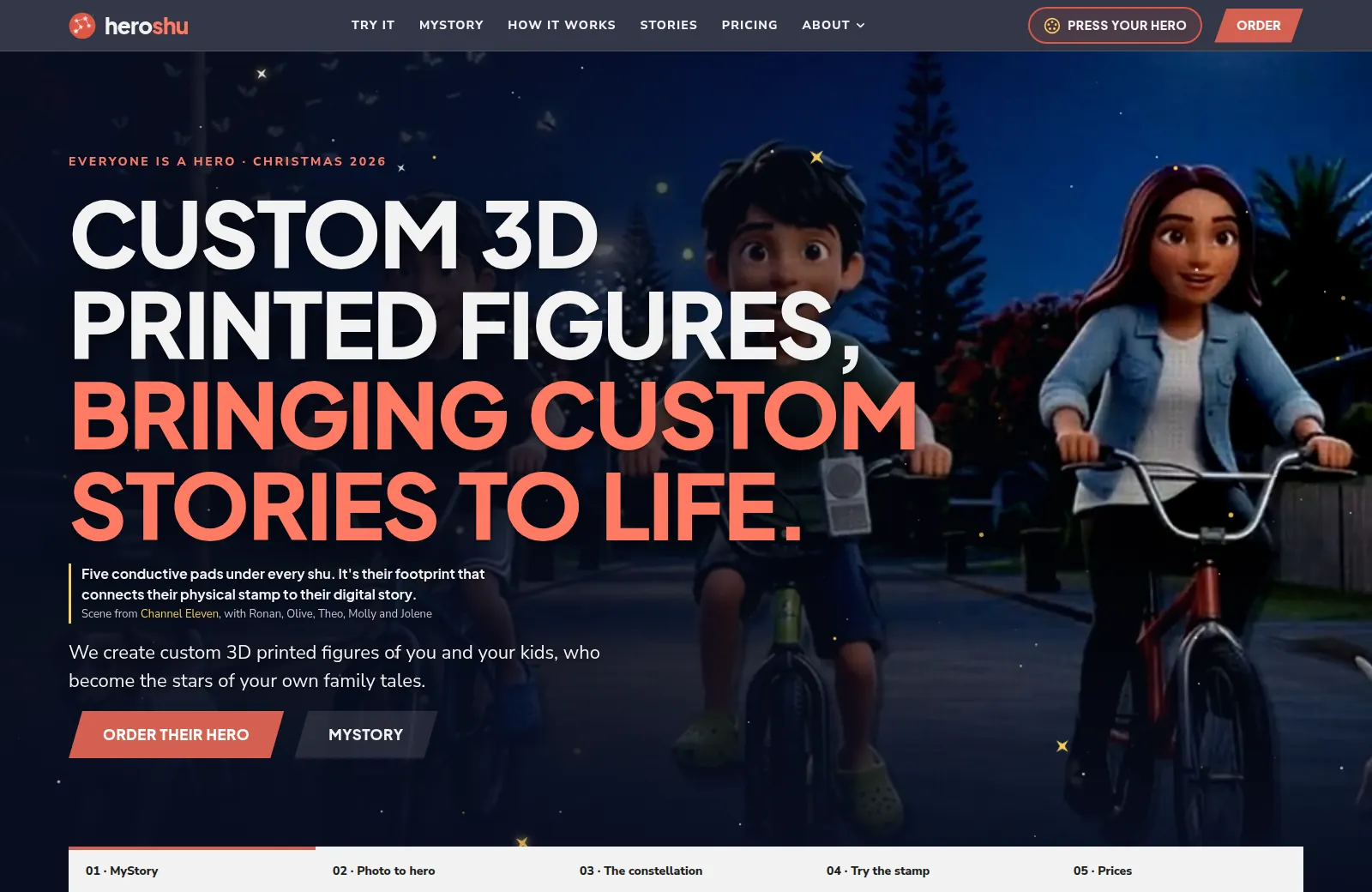
Most personalised books put a child's name on a page. Heroshu goes further: the child becomes a cartoon hero, the hero becomes a real figure they can hold, and the figure unlocks a story that stars them, says their name and waits for them to help at every turn.
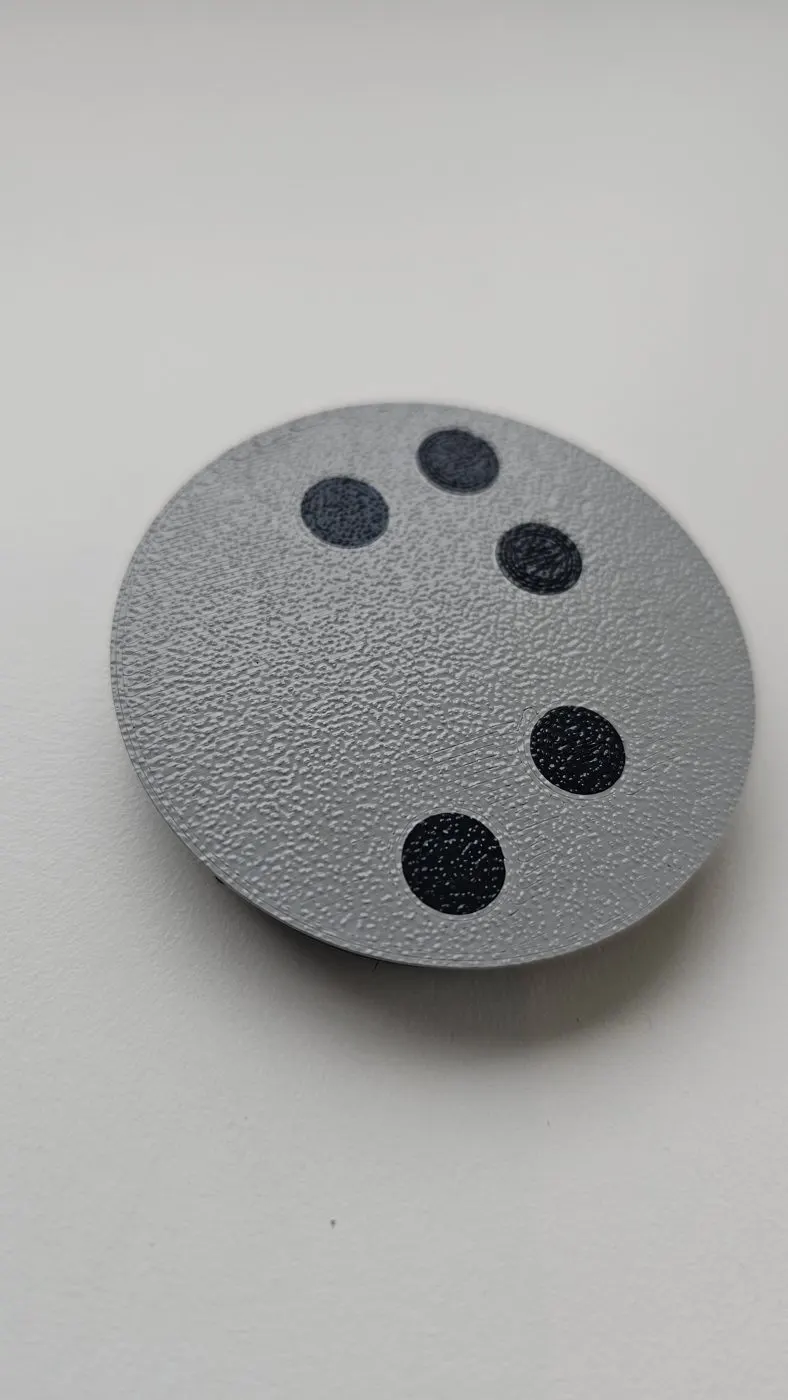
Every figure stands on a shu, a base with five conductive pads in a pattern no other hero shares. The brand calls it their constellation. In one line: every child has a unique shu. It is made in New Zealand for kids aged 3 and up, and it launches with a Founding 100 run for Christmas 2026.
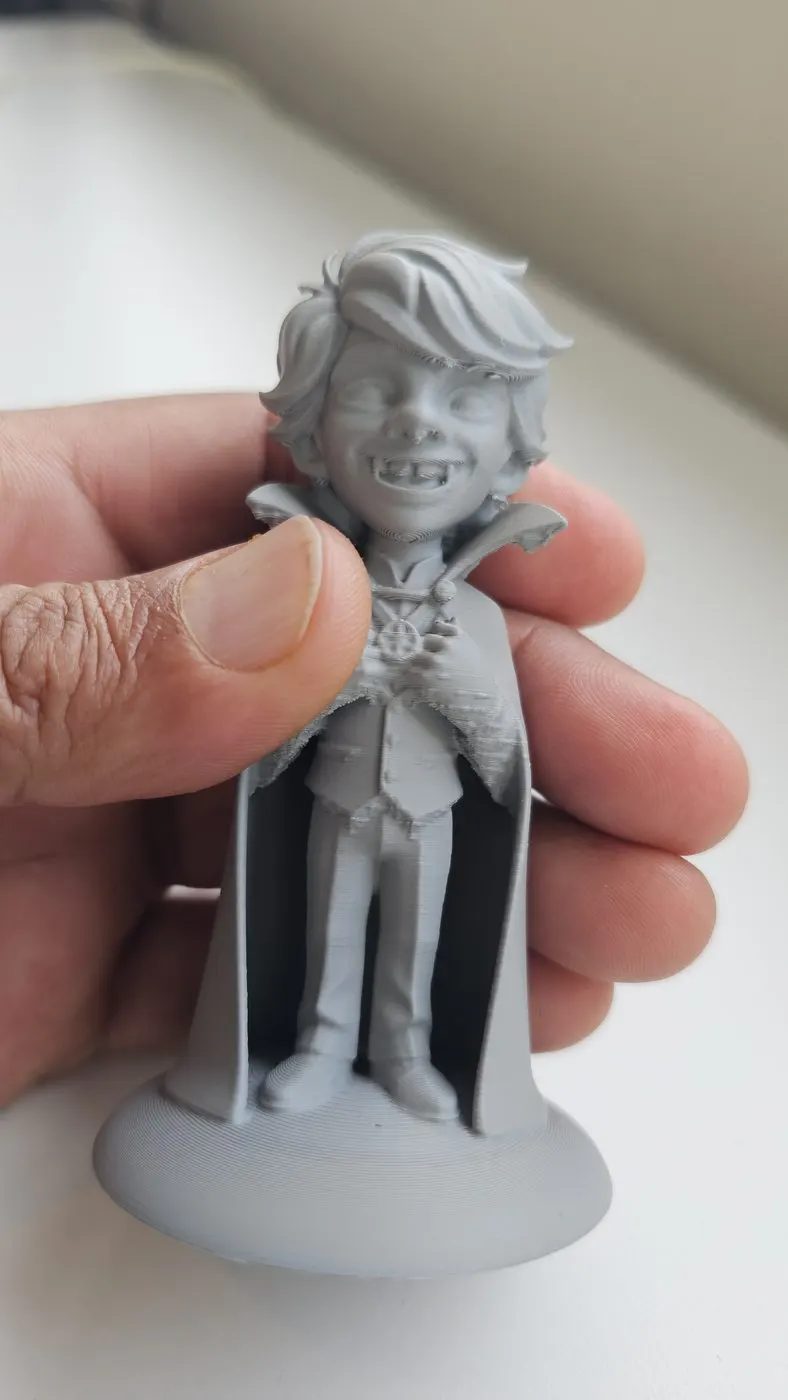
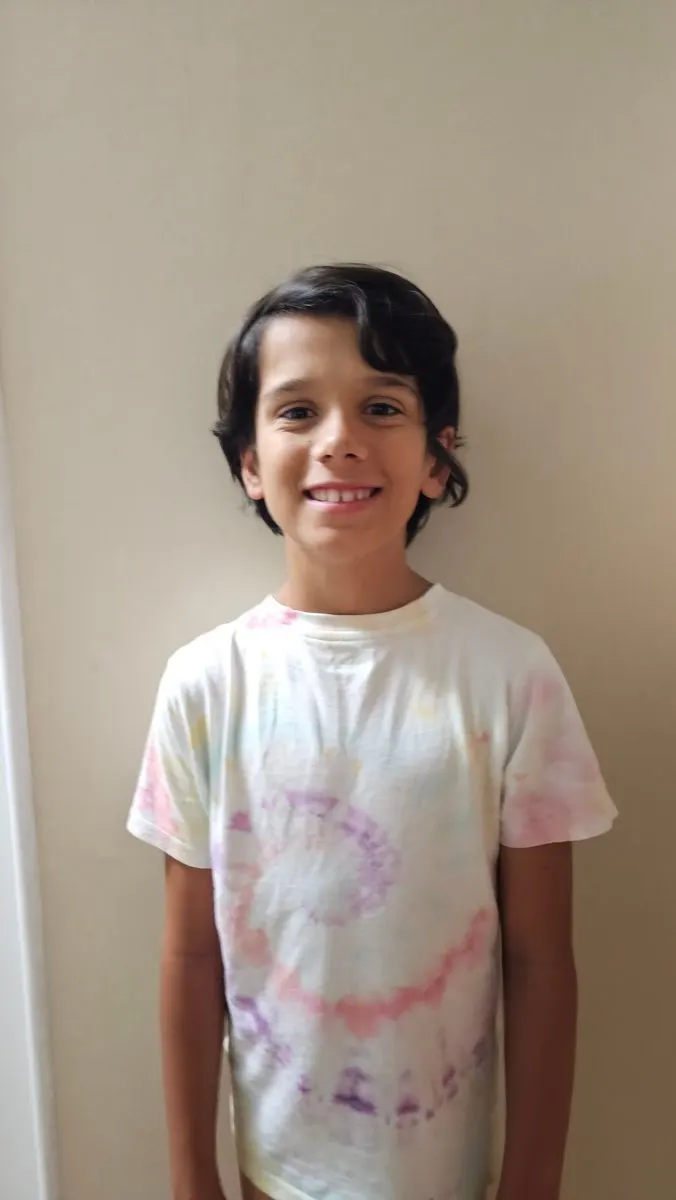
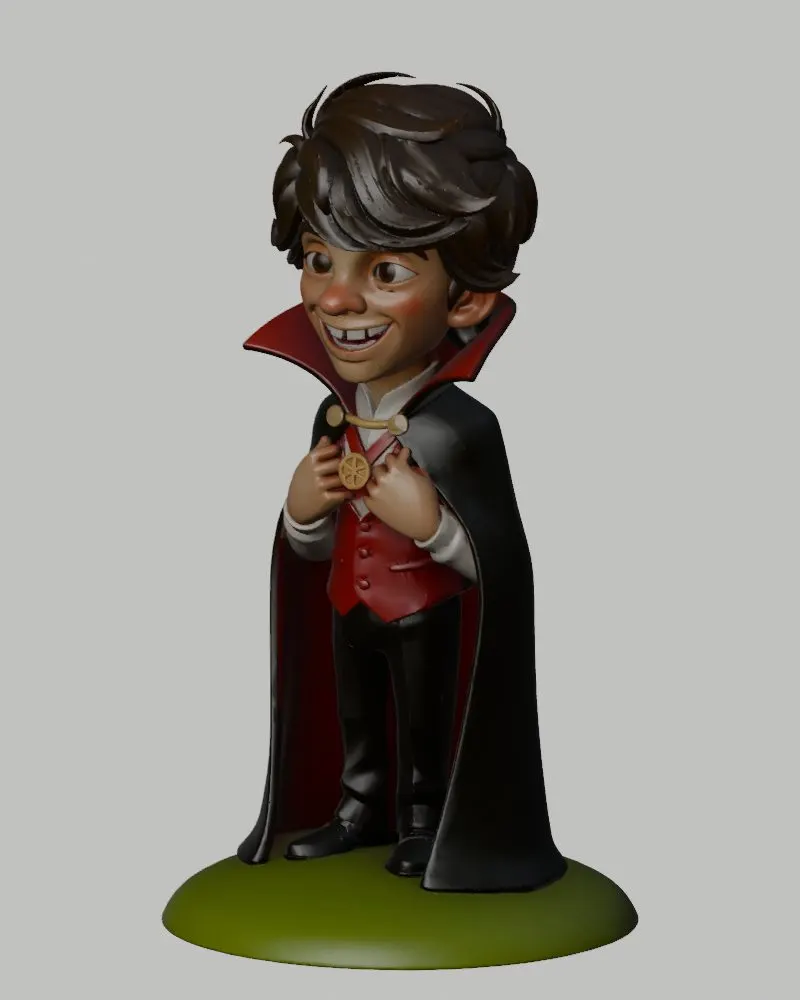
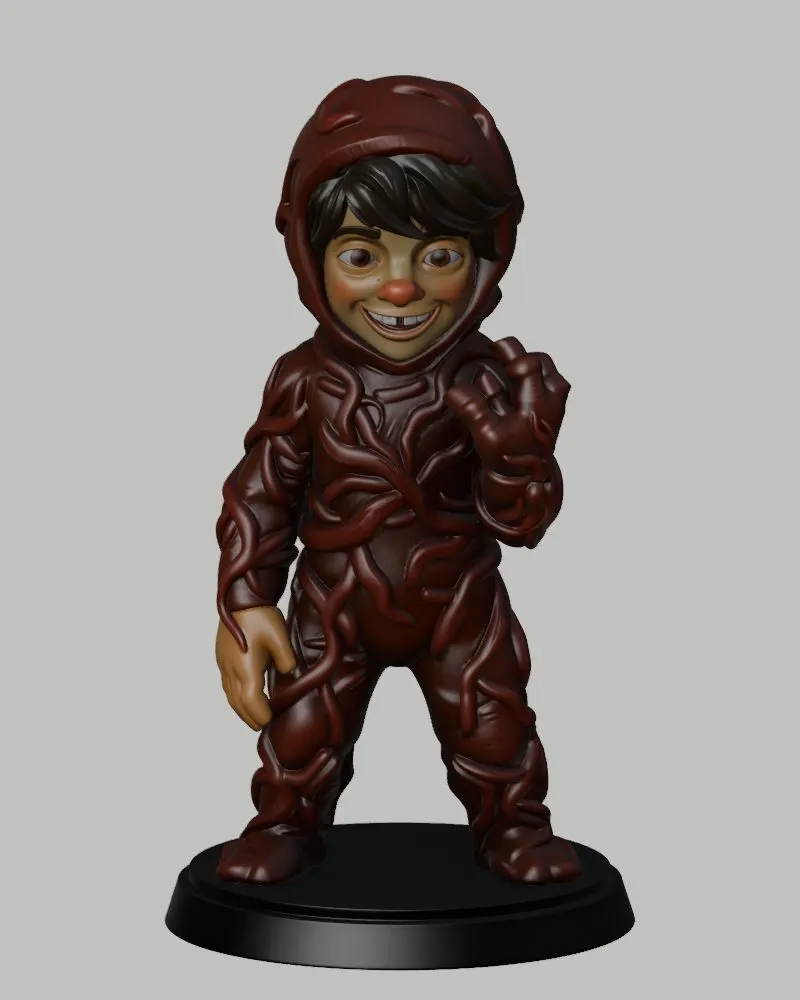
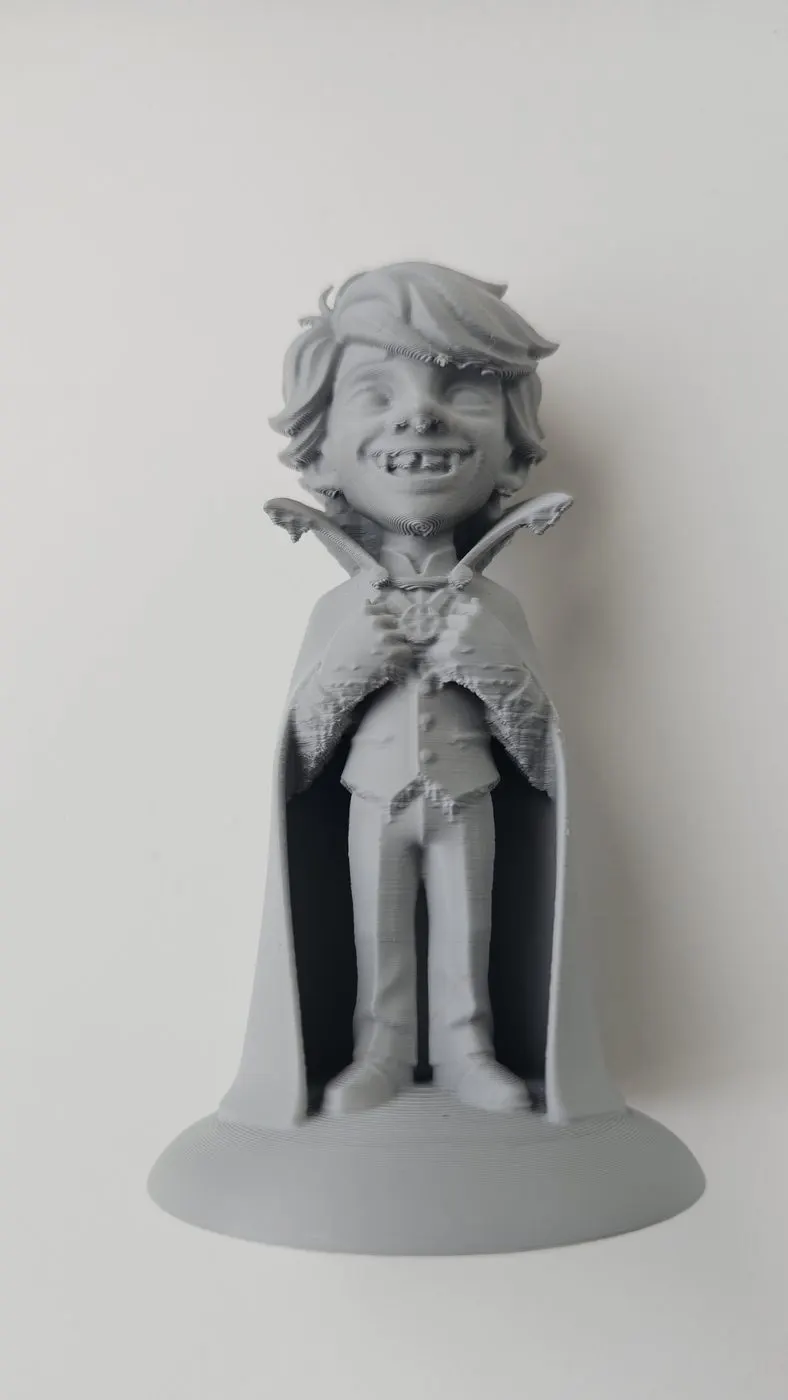
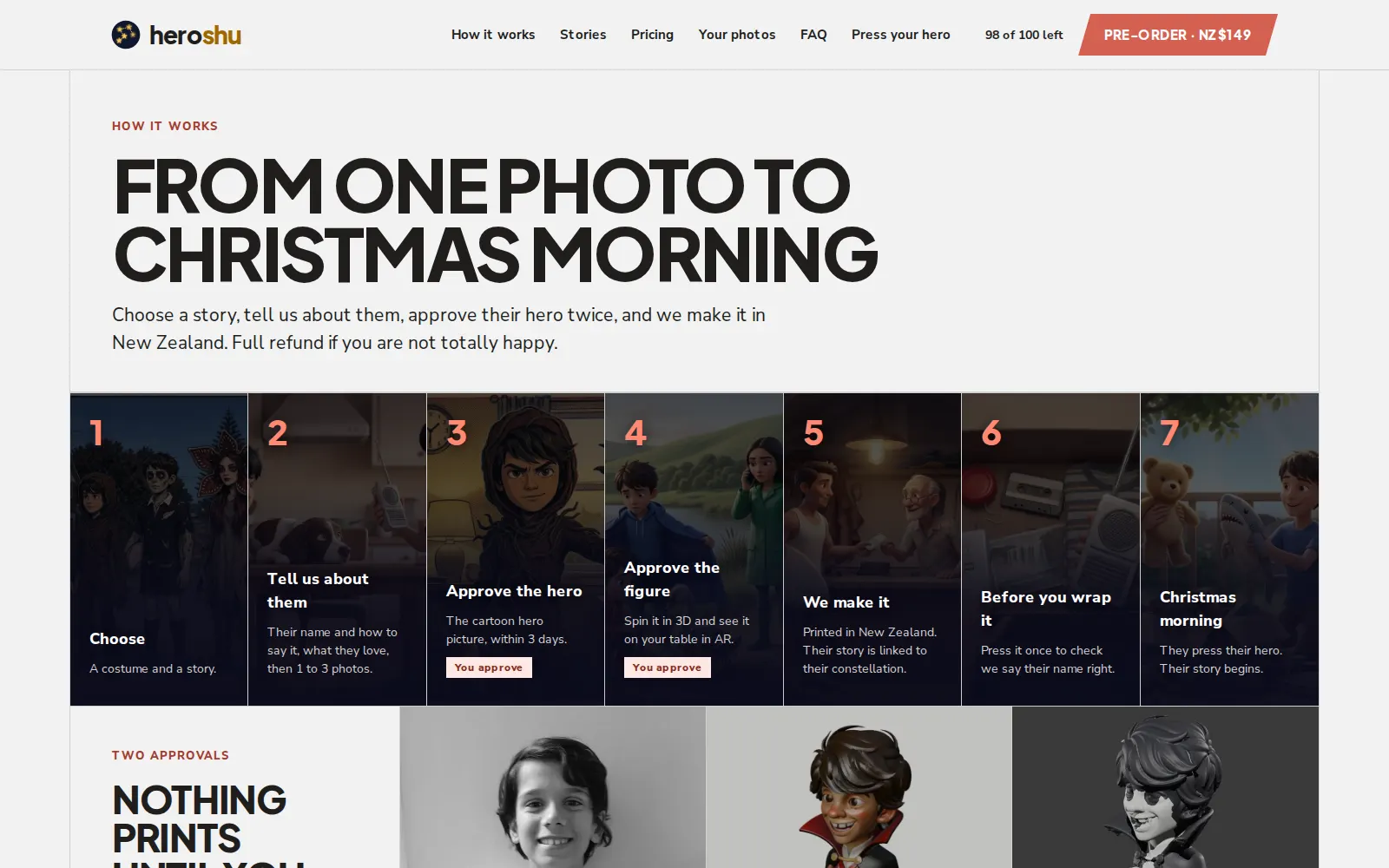
A parent sends one to three photos. AI image models turn them into a cartoon hero in the costume the child picked, and the parent approves the picture. An image-to-3D model then builds the figure, which we clean up and split in Blender and Bambu Studio into print-ready, two-material files: ordinary filament for the hero, conductive filament for the pads underneath.
The parent approves twice, the hero picture and then the 3D figure, which they can spin on screen and see standing on their own table in augmented reality. Nothing prints until they say yes. Figures print on dual-nozzle Bambu Lab printers, and a printer partner programme lets New Zealand makers sign up to print heroes too.
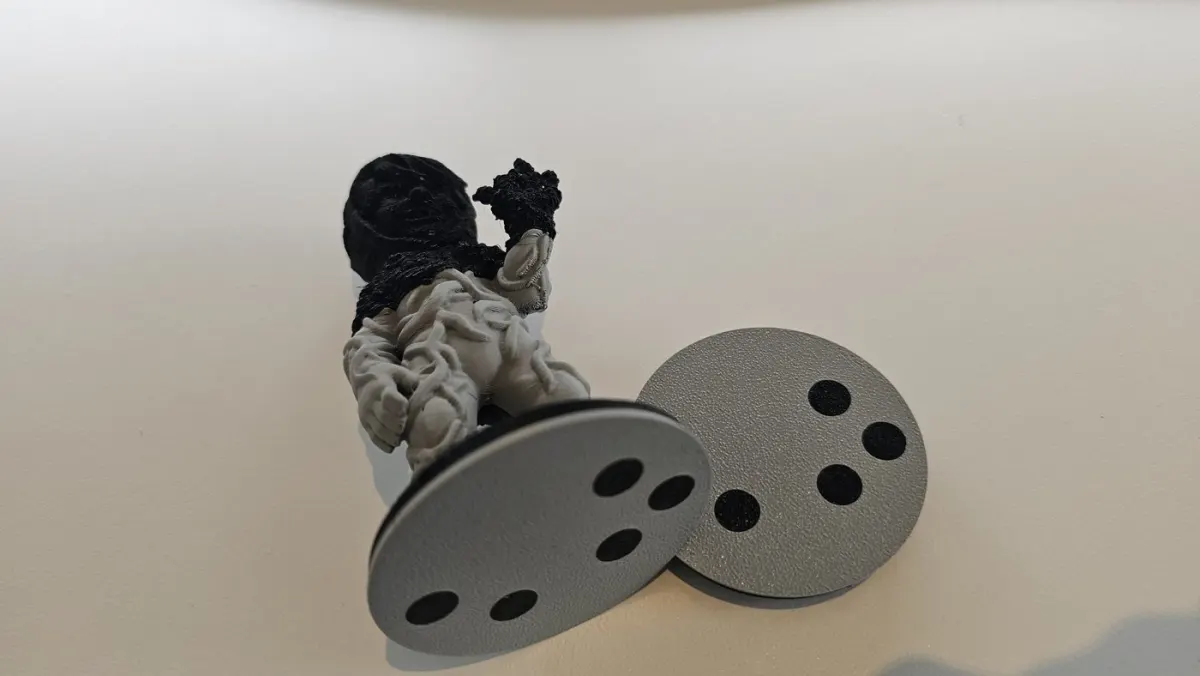
The magic moment is the press. A touchscreen sees the five pads under a shu as five fingers touching at once. Our recognition engine compares that shape with every hero it knows and finds the match, wherever the figure lands on the screen, however it is turned, and on any size of screen.
Every frame, it also works out where the figure is and which way it is facing. That is what turns a toy into a controller. It runs entirely in the web browser, so there is no app to install, nothing to charge and nothing to pair. It is our own engine, written from scratch as a standalone TypeScript package with 46 automated tests, and every real press is logged so it keeps getting more accurate.
Because the engine tracks position and direction, the figure does more than start the story. There are six ways to play, and all six are playable on the How it works page at heroshu.com.
Stamp
Press the hero down to stamp out mischief-makers. They never get hurt: every one turns into a butterfly.
Follow the path
Slide the hero along a glowing star road, lighting up each star as it goes.
Torch in the dark
In the cave the hero becomes a torch. Move it around to find hidden treasure.
Turn to open
Twist the figure like a dial to crack a treasure chest or steer the boat home.
Hold to power up
Press and hold while their power builds, then lift at just the right moment.
Team up
Brothers and sisters press their heroes together to lift what one cannot.
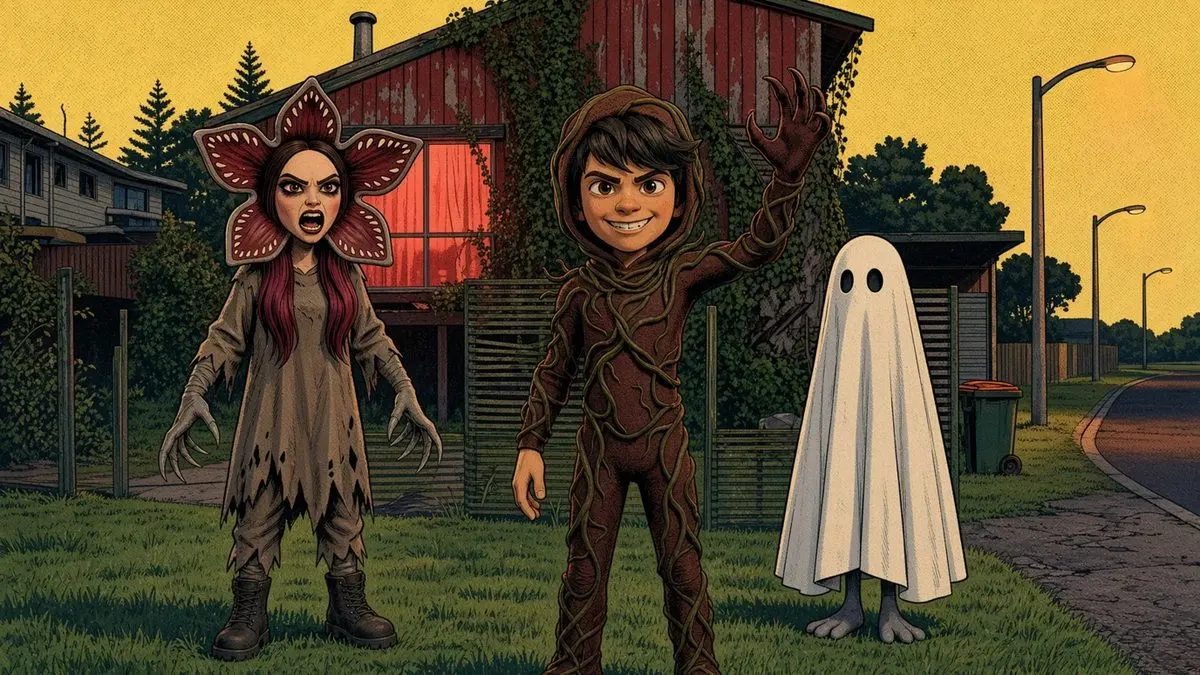
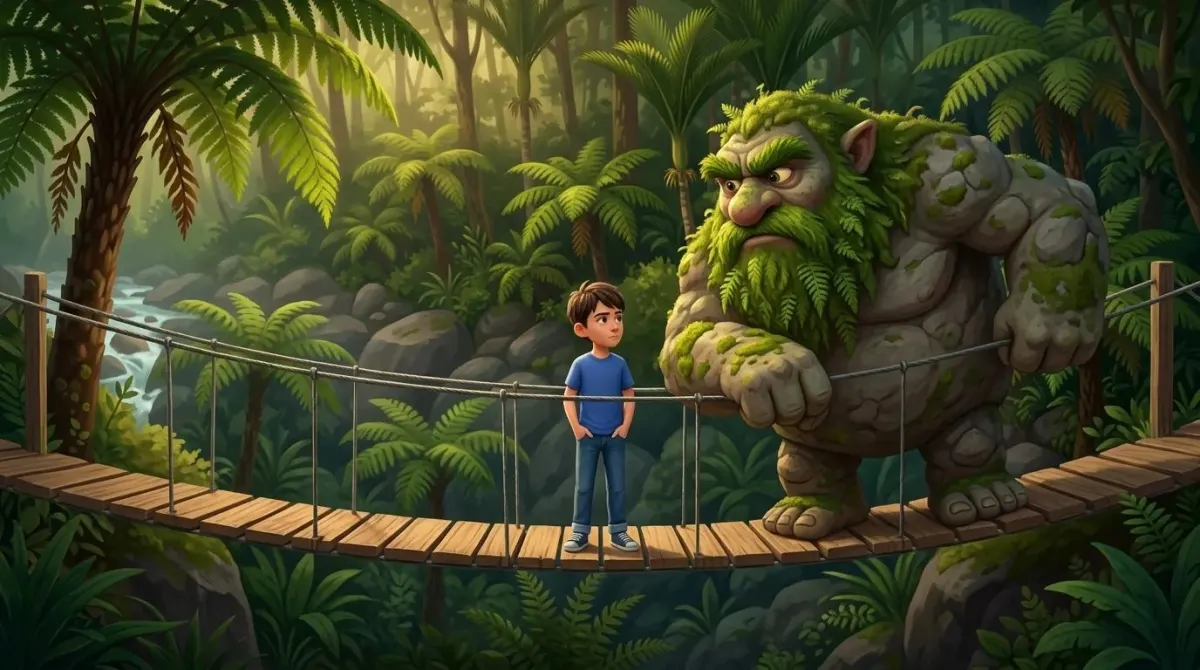
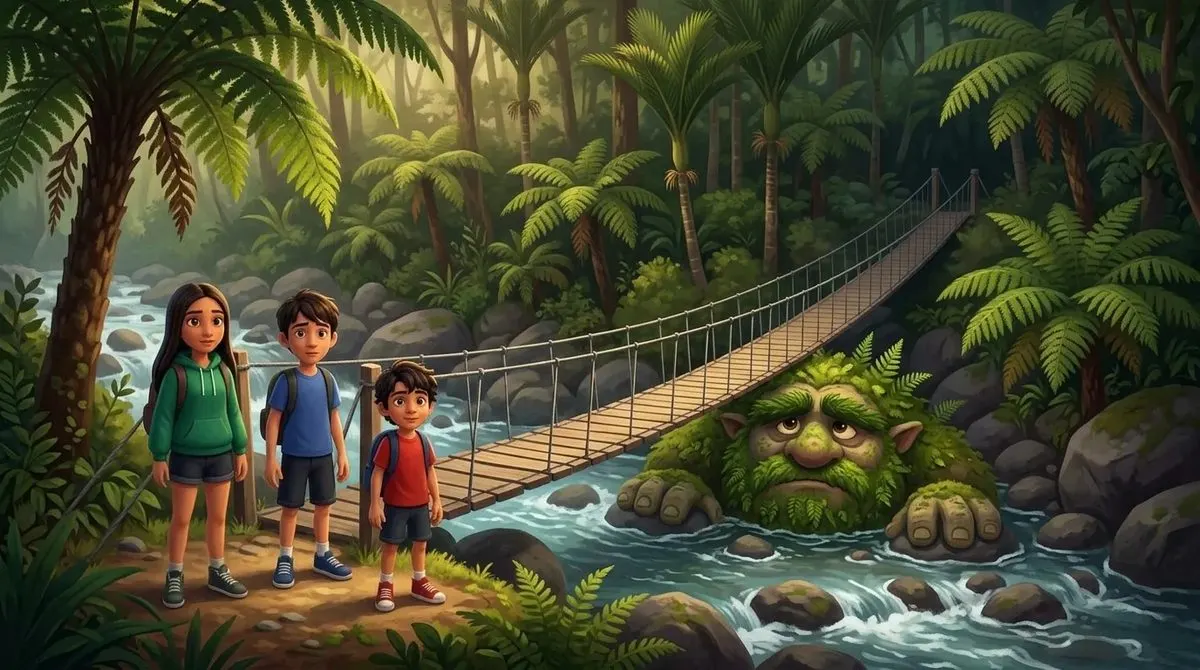
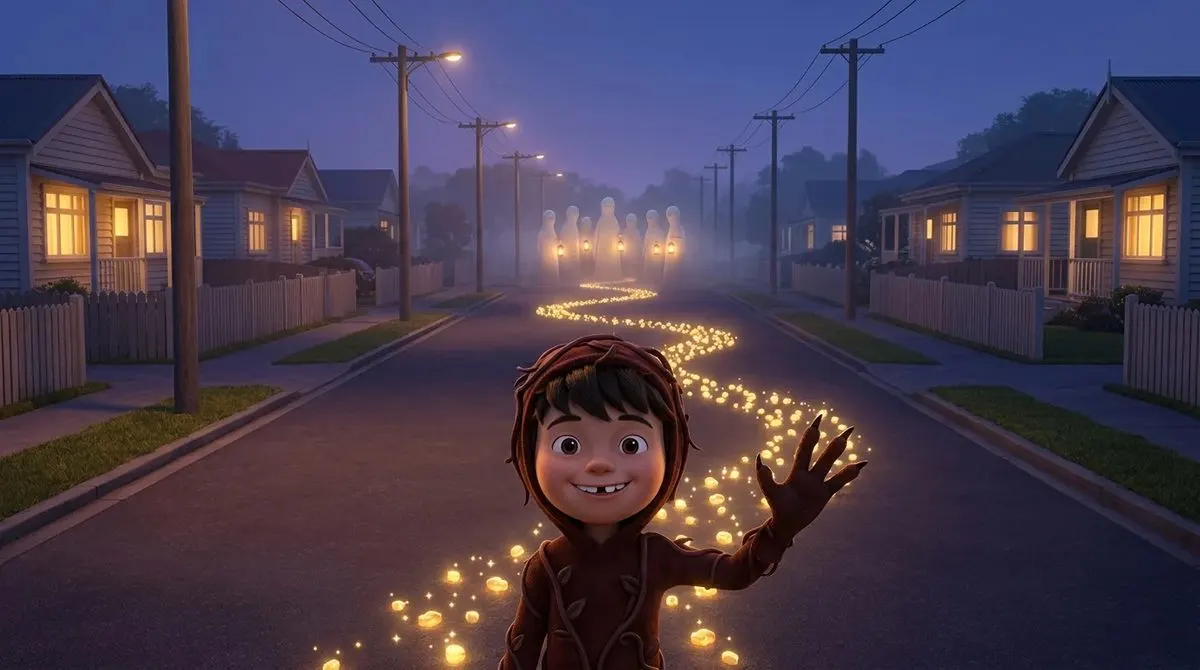
Heroshu launches with fifteen illustrated stories, each 30 to 40 animated screens long: classic tales retold in New Zealand (The Ginormous Kūmara, Trip Trap on the Swing Bridge, The Midnight Jandal Makers) and originals like Channel Eleven and Lights Out, Sunnynook. Halloween and Christmas stories, never frightening.
Custom stories start with an online story interview. Parents tell us about their child, or grandparents tell a story from their own childhood, and it becomes the book. Brothers, sisters, Mum, Dad and the dog can all be in it, and the narration says every name.
No single model does all of this well, so each job got its own, picked by comparing them side by side on a real family:
- Illustration and likeness: Google's Gemini image model (Nano Banana) keeps a child recognisable from page to page, with Seedream tried as an alternative.
- Animation: Grok Imagine and Kling turn still pages into short animated clips.
- Narration and voices: ElevenLabs, with Gemini text-to-speech as well.
- Photo to 3D: Hunyuan3D, after trials of Tripo and Meshy.
- Writing, code and orchestration: Claude, running the agents that built the product.
Stories play in our own read-along player: narrated page turns, a reading-speed slider, animated page clips, a stamp-to-start screen, story codes for gifting, share links for grandparents, and an end card that suggests the next adventure. It works on an iPad, a tablet or a phone.
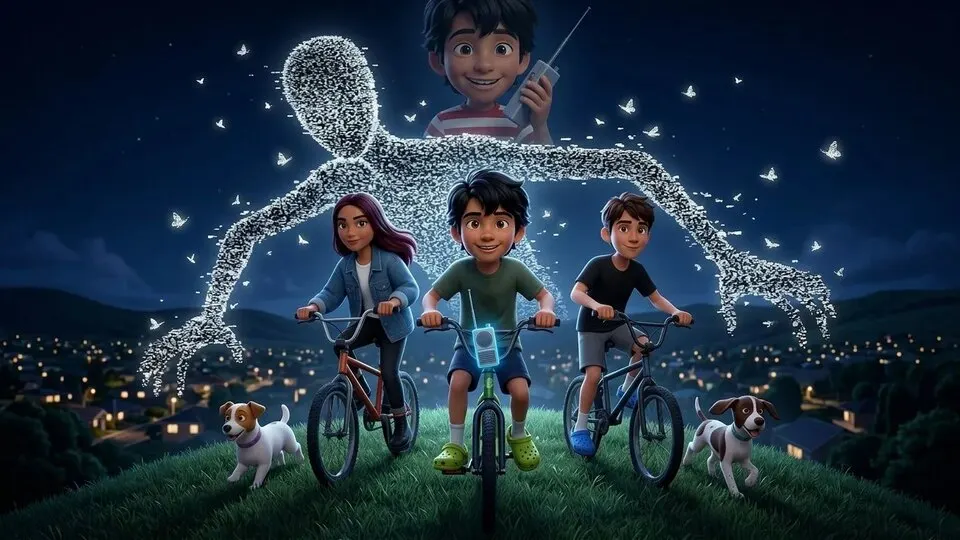
For the launch we went one step further and rendered a whole story as a film. Channel Eleven, starring Ronan, Theo and Olive, is an eleven-minute narrated film on the heroshu.com home page, assembled by our own GPU studio pipeline.
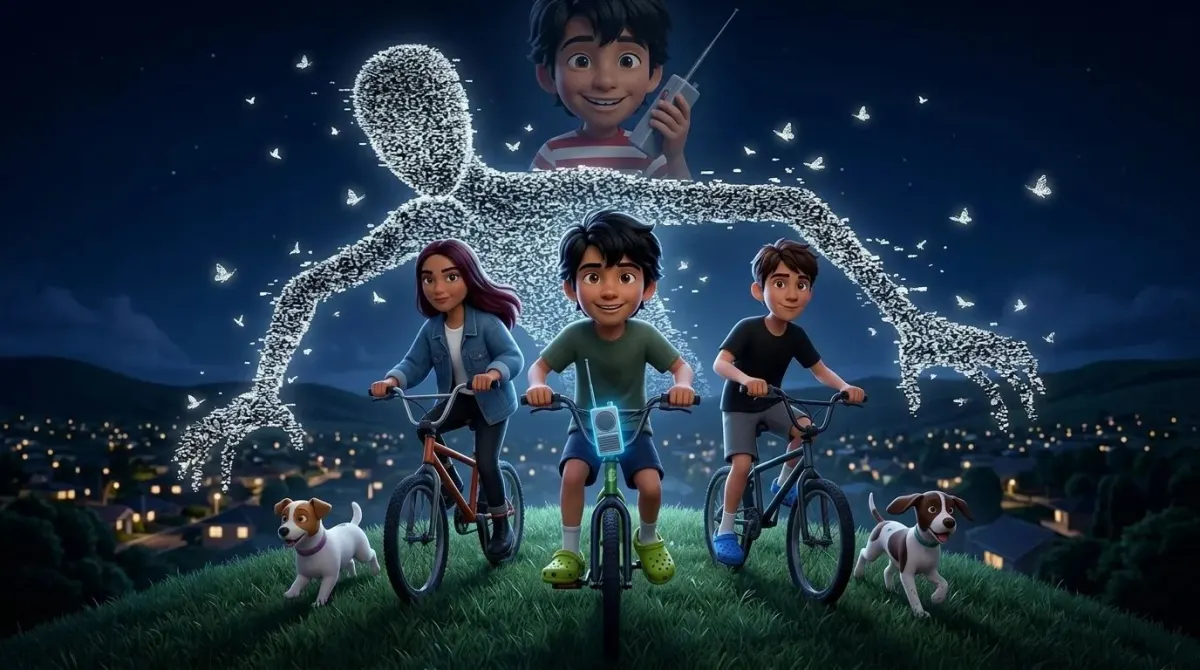
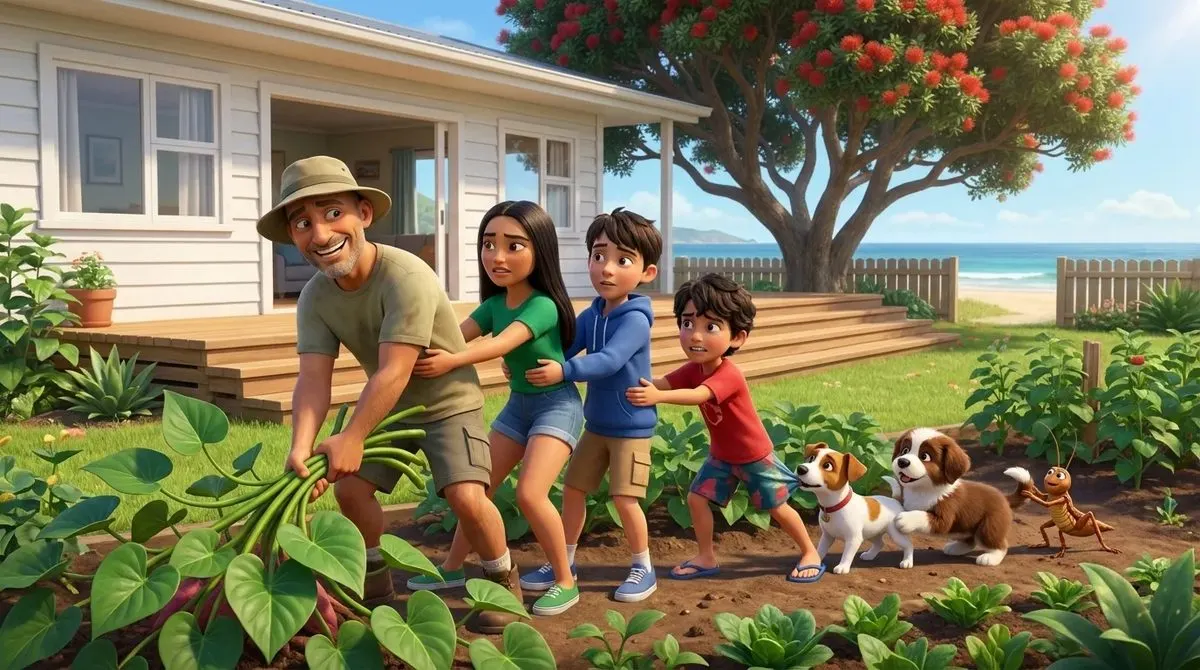
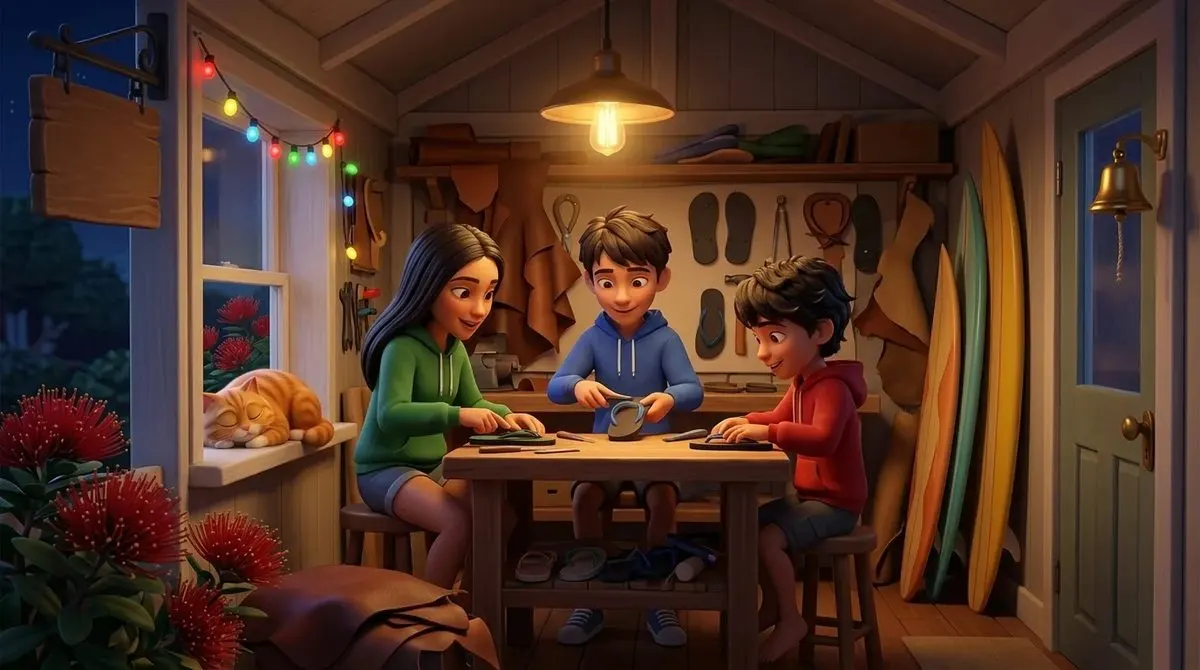
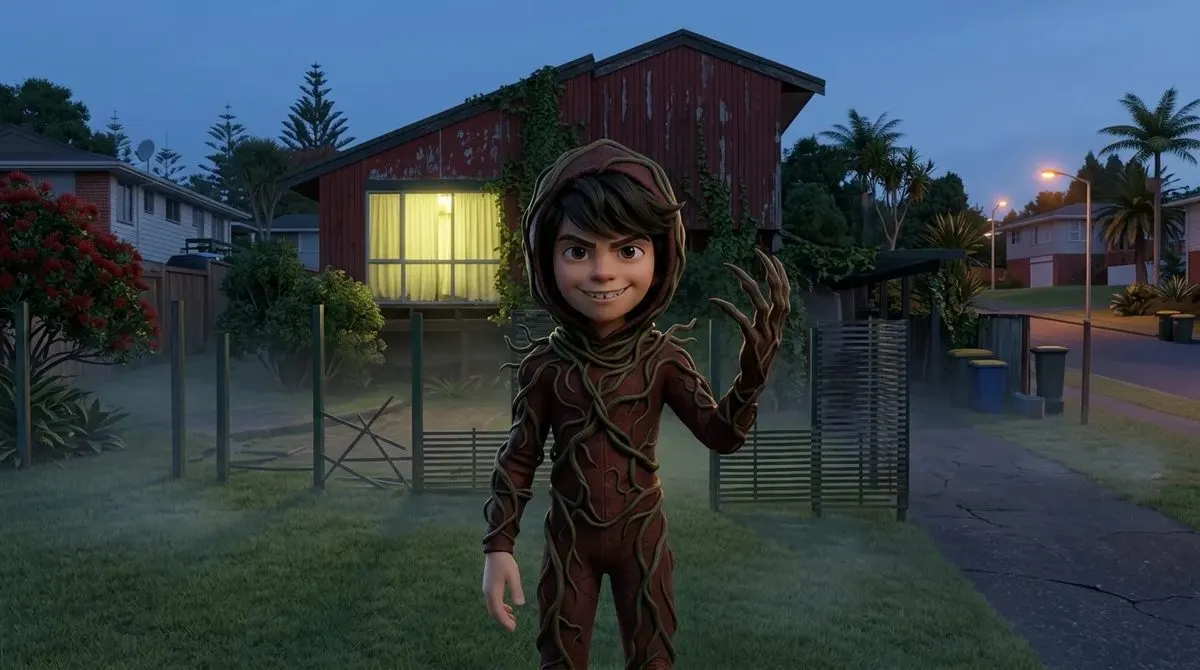
440 commits across 47 branches in a private repository, from the first commit on 29 September to launch on 28 October. Commits measure activity rather than value, but they do show the pace.
Week 1 · 60 commits
The stamp admin went live and the first real stamp was recognised. By that evening six stamps of three types were all recognised. Then a test base generator, the first family figures, the first books and a design system.
Week 2 · 68 commits
Five more books written, illustrated and audited. A scene mode in the player, the Vecna Ronan figure, Halloween storyboards and a stamp-as-you-go player.
Week 3 · 84 commits
Lights Out, Sunnynook with stills, animated clips, voices and music. A print-ready figurine, the reading-speed slider, share links, stamp to start, and a full security, testing, performance and accessibility round.
Week 4 · 228 commits
Two-material print files and test prints, the Heroshu brand, heroshu.com, the story interview, a 3D figure viewer, the Channel Eleven film, CRM sync, the printer sign-up page and the interactive How it works.
- Website: Next.js 16, React, TypeScript and Tailwind, server rendered, with a strict content security policy and day and night themes.
- Stamp service and admin: Cloudflare Workers with a D1 database, for enrolling stamps and logging presses.
- Recognition: a standalone TypeScript package, unit tested with Vitest, plus an end-to-end smoke suite for the main flows.
- Pre-orders and CRM: story and order details flow straight into HighLevel, with contacts, custom fields, tags and sales pipelines.
- Media: AI image, video, voice and 3D generation, and a GPU pipeline that assembles narrated films.
- Print: PLA and conductive PLA on Bambu Lab dual-nozzle printers.
- Hosting: self-hosted on our own server behind Cloudflare.
The same machinery, pointed at your business
Physical meets digital
3D printing, conductive hardware and software designed together, and shipped as one product.
Apps without an app store
Recognition, animation and narration that run in the browser on the tablet already in the house.
AI production at speed
Fifteen illustrated, narrated stories and a full film, from a team of AI models directed by people.
Aiva Chat
FM.video
Tournamental
Genkan